Planning a Paver Patio in Minnesota? Budgeting Tips Before You Build
A paver patio looks simple from the street. A rectangle of stone, a few clean edges, maybe a fire feature, and suddenly the backyard feels finished. But anyone who has priced one out in Minnesota knows the real story starts below the surface. The visible pavers are only part of the bill. Excavation, base material, drainage, edging, hauling, grading, and the kind of prep that keeps a patio from shifting after one winter all stack up fast. In a climate like ours, that hidden work matters more than the decorative part.
Homeowners around Scott County and the southwest Twin Cities metro often begin with a rough square footage estimate and then wonder why the final quote looks so different from the online averages. The answer is usually in the details. A patio built on a gentle slope in firm soil costs less to prepare than one that needs deep excavation and drainage correction. A project tucked beside an aging foundation, or one that has to work around trees, utilities, retaining walls, and narrow access, carries a different labor profile entirely. If you are comparing bids from a landscaping service in Shakopee MN, or checking a landscaping company Scott County MN service area against nearby communities, it helps to understand where the money actually goes before you sign anything.
Start with the right kind of budget, not just a square-foot number
People love square-foot pricing because it feels tidy. If a contractor says a patio runs, for example, $18 to $35 per square foot in a given market, you can multiply and get a number that seems manageable. In practice, that figure only works as a starting point. Paver patio cost per square foot Minnesota estimates shift depending on paver style, site access, base depth, and how much grading or drainage work the property needs. A simple, open, ground-level patio on a stable site may land on the lower end. A more detailed design, larger format pavers, borders, curves, steps, or a built-in seat wall can push the project much higher.
The best way to budget is to think in layers. The pavers themselves are one layer. Labor is another. Base preparation is another. Then there are the items people forget until the quote arrives, such as permit fees where applicable, hauling, demolition of old concrete, disposal of sod, and any electrical or gas work for lighting or a fire feature. Once those are on paper, the number becomes less surprising and much more usable.
A solid rule of thumb is to leave room for the unknowns. On a patio project, that usually means a contingency of 10 to 15 percent, especially if the site has not been opened up before. In Minnesota, older yards often hide soft spots, buried debris, or drainage habits that only show up after excavation starts. It is much cheaper to plan for that possibility than to scramble halfway through the build.
Why Minnesota patios cost more than the brochure version
Minnesota weather changes the cost equation. Freeze-thaw cycles are rough on outdoor surfaces, and paver systems need proper base compaction and drainage to survive them. A patio that might get by with lighter prep in a warmer state can fail quickly here if the sub-base is too shallow or the grading traps water. That is why experienced crews spend so much time on the unglamorous part of the job.
Frost heave is the enemy. Water expands when it freezes, and if the ground underneath your patio holds moisture, the movement can lift and separate pavers. That is where the phrase retaining wall failing frost heave Minnesota becomes relevant too. If your patio includes a retaining wall, steps, or raised seating, the same soil and drainage concerns apply. A wall that is not built with the right base, drainage stone, and geogrid can tilt, bulge, or crack over time. Fixing a failed wall later costs far more than building it correctly the first time.
The practical budgeting lesson is simple. Do not compare a Minnesota patio to a generic national average and assume the same setup will work here. Ask how deep the base will be, what drainage details are included, and whether the quote covers compaction in layers rather than just one pass with a plate tamper. Those questions tell you a Lawn Maintenance and Mowing lot about whether the contractor understands local conditions.
What drives the quote up or down
Several variables matter more than people expect. Site access is one. If equipment and materials can move easily across a driveway or wide side yard, labor stays efficient. If the crew has to wheelbarrow material through gates, across planting beds, or around a house, the time cost rises quickly. Soil conditions are another. Clay-heavy soil, common in parts of the metro, can complicate drainage and require more careful excavation than sandy or loamy ground.
Design complexity also changes the number. Straight edges are generally less expensive than curved layouts. Standard-sized pavers are usually easier to install than mixed patterns or specialty stone. Steps, landings, inlays, and borders improve the finished look, but they also add cutting time and layout precision. Even color choice can influence cost if the product needs to be ordered specially rather than pulled from normal inventory.
Contractor availability matters too. A good landscaping contractor Scott County MN licence requirement question usually comes up when homeowners start comparing quotes and want to know who is qualified to do what. Licensing and registration rules can vary depending on the scope of work, especially if the project involves hardscaping, drainage, electrical elements, or retaining walls of a certain height. It is worth confirming that the contractor carries the proper insurance and understands any state or local requirements before the first excavation bucket hits the ground.
The budget categories most homeowners miss
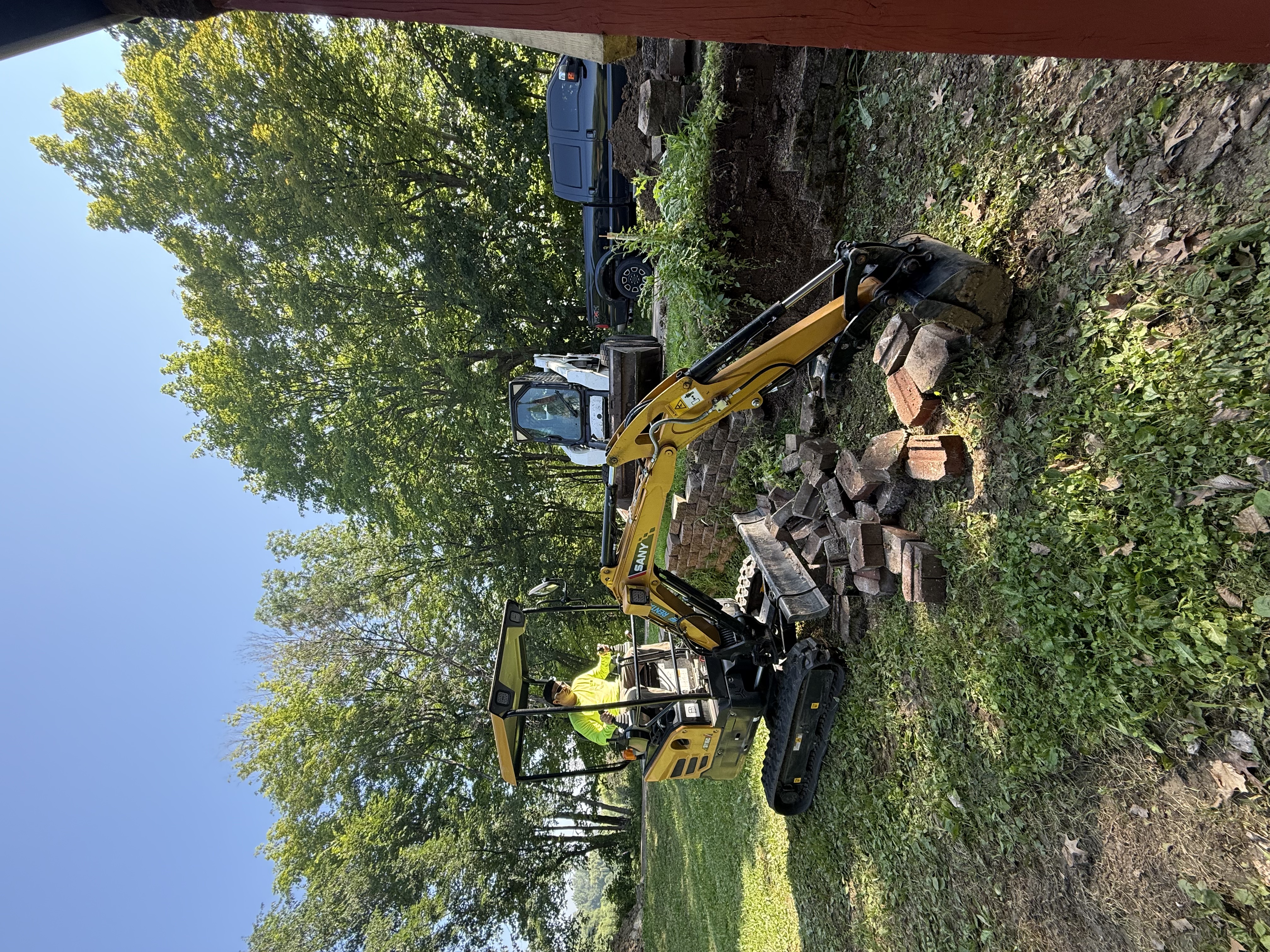
The quote should make sense line by line, but many homeowners focus on the paver cost and overlook the rest. Excavation is one of the biggest surprises. Removing sod, topsoil, or an existing patio can be tedious, especially if the old material was installed poorly in the first place. Hauling away waste can also add more than expected if disposal is involved in several trips.
Drainage work is another sneaky budget item. A patio that sits near a foundation or in a low spot may need drain tile, corrected grading, or a re-route for runoff. Those details are not optional in a climate with spring snowmelt and summer downpours. If water has nowhere to go, it will find the weakest edge.
Then there are finishing details. A simple patio may not need much beyond edging and polymeric sand. But if the design includes lighting, gas for a fire table, or matching steps into a back door, the price rises. And if the existing landscape needs to be restored after construction, perhaps with new sod, mulch, or a few shrubs, that is another layer of cost. Homeowners who already work with a landscaper serving Eden Prairie Eagan Lakeville Plymouth or other southwest Twin Cities metro landscaping coverage areas often know these extras can be folded into a broader outdoor plan, but they should still be priced separately so the patio line item stays clear.
How patio planning fits into a bigger yard budget
A patio is rarely the only project on the property. Many people start with hardscaping, then realize the yard around it needs cleanup, drainage correction, or a few practical maintenance services to keep the whole space functional. That is where a broader relationship with a Shakopee landscaper that also does snow removal contracts can be helpful, especially if you want one company that understands the property across seasons.
For example, a homeowner might be comparing a patio quote against recurring maintenance costs such as lawn mowing cost Shakopee MN per visit, lawn aeration dethatching timing Minnesota, or fall yard cleanup Shakopee MN before first snow. If the same property also needs snow management, the total outdoor budget can swing a lot from one year to the next. A seasonal snow removal contract price Shakopee MN may feel unrelated to the patio at first, but the two often share the same landscape plan, access routes, and hardscape edges. A patio built with snow plowing in mind is easier to live with through January and February.
Commercial properties think this way all the time. A commercial snow removal Shakopee MN contract now approach often includes hardscape durability, drainage, and traffic flow as part of one bigger property-management strategy. Homeowners can borrow that same thinking. If the patio, walkway, retaining walls, and surrounding turf all function together, the yard is less expensive to maintain over time.
What to ask before you approve the work
A clear estimate should tell you more than the total. It should explain what is included, what is excluded, and what assumptions the contractor made about the site. If the quote is vague, that usually means future change orders.
Here are the five questions I would want answered before a patio project starts:
- How deep will the excavation and base layer be, and what material will be used?
- Is drainage correction included if the existing grading is not adequate?
- Are demolition, hauling, and disposal included in the price?
- What happens if hidden issues show up once the area is opened?
- Is there a written warranty on workmanship or settling?
Those answers matter more than a flashy rendering. A patio that looks great on day one but shifts after the first winter is expensive in the worst possible way.
When a patio should be part of a larger hardscape plan
Some yards need more than a slab of pavers. If a slope makes the yard unusable, a retaining wall can create level space for the patio and improve drainage at the same time. In those cases, it makes sense to budget for retaining wall installation cost Twin Cities as part of the patio project rather than as a separate future fix. Doing both at once can reduce duplicate labor, because excavation, base work, and grading happen together.
The same is true if you are dealing with storm damage or aging trees nearby. Emergency tree removal storm damage Scott County can alter shade, drainage, and root patterns. A large removal can leave the soil loose or uneven, which changes how a patio should be designed. If tree roots had been lifting an old walkway or affecting runoff, the patio layout may need to move. Good contractors do not treat that as a minor detail. They treat it as site reality.
A well-planned hardscape also considers seasonal maintenance. If the project is happening in late fall, there may be a narrow window for fall yard cleanup Shakopee MN before first snow so the site is clean enough for construction or winter protection. If you miss that window, the build may wait until spring, or the crew may need to work around leaves, wet turf, and frozen topsoil. That can affect both timing and price.
Timing your project can save real money
Spring and early summer usually bring the most demand. That can mean longer lead times and firmer pricing. Late summer and early fall can be a smart window if the schedule lines up and you want the patio ready before the next thaw cycle. But the timing also depends on how much surrounding landscape work is needed.
For properties that need aeration, dethatching, seeding, or overseeding, it may make sense to handle turf recovery in tandem with patio construction. The phrase lawn aeration dethatching timing Minnesota is not just lawn-care jargon. It affects how quickly the yard bounces back after heavy equipment crosses it. If the turf is already stressed, the damage from construction is more noticeable. Sometimes the best move is to postpone seeding until after the patio is finished and the grading is stable.
There is also a practical seasonal question for homeowners who want one vendor to handle multiple needs. Some companies that do hardscaping also maintain snow routes, which can make scheduling easier. If you are working with a landscaping service in Shakopee MN that handles both patios and winter contracts, ask how that affects availability in shoulder seasons. A contractor juggling snow and spring landscape cleanup may have tighter windows than a pure hardscape crew.
How to compare bids without getting lost in the numbers
A low bid is not always a bargain. Sometimes it simply leaves out the work that matters. A high bid is not automatically better either. The useful comparison is between scope, materials, and process. If one company includes proper base depth, drainage corrections, and cleanup, while another treats those as extras, the lower number can become the more expensive choice.
I always tell homeowners to look for consistency between the design and the price. If a patio plan includes a wall, steps, lighting, or a complex pattern, the labor should reflect that complexity. If a contractor claims to serve a wide area, whether that is a landscaping company Scott County MN service area or a broader southwest Twin Cities metro landscaping coverage zone, it is fair to ask how travel, material delivery, and scheduling are handled. Local crews often know the soil and weather patterns better, but service radius still affects efficiency.
It also helps to keep the property’s full maintenance picture in mind. A team that already handles mowing, trimming, cleanup, and even lawn mowing cost Shakopee MN per visit planning may be able to coordinate around the patio build more smoothly than a company that only does isolated project work. That does not mean one is better than the other. It means the comparison should be about fit, not just price.
A realistic way to set your patio budget
For a Minnesota paver patio, the safest budget is the one that assumes the job will be done correctly, not cheaply. If you have a very straightforward site, you may land near the lower end of local pricing. If the yard has drainage issues, a retaining wall, steps, or constrained access, plan for a much higher number. Most homeowners are happiest when they budget for the patio itself, then keep a separate reserve for site correction and finishing work.
That approach also keeps decisions cleaner. You are less likely to strip features out one by one just to chase a target number. And if the project ends up being simpler than expected, the savings can go toward landscaping around the patio, outdoor lighting, or future maintenance.
For homeowners in and around Shakopee, Savage, Prior Lake, and the broader southwest metro, the smartest move is to treat the patio as one piece of the property, not an isolated ornament. The best-built patios are the ones designed with drainage, snow, mowing access, and long-term maintenance in mind. That kind of planning does not just make the yard prettier. It makes the investment hold up when the first hard freeze arrives and the thaw cycle starts all over again.